
What Single Origin Actually Means, and Why It Matters for Indian Coffee
Single origin is more than a word on a bag. What it really means, how it differs from a blend, and why it matters for Indian coffee.
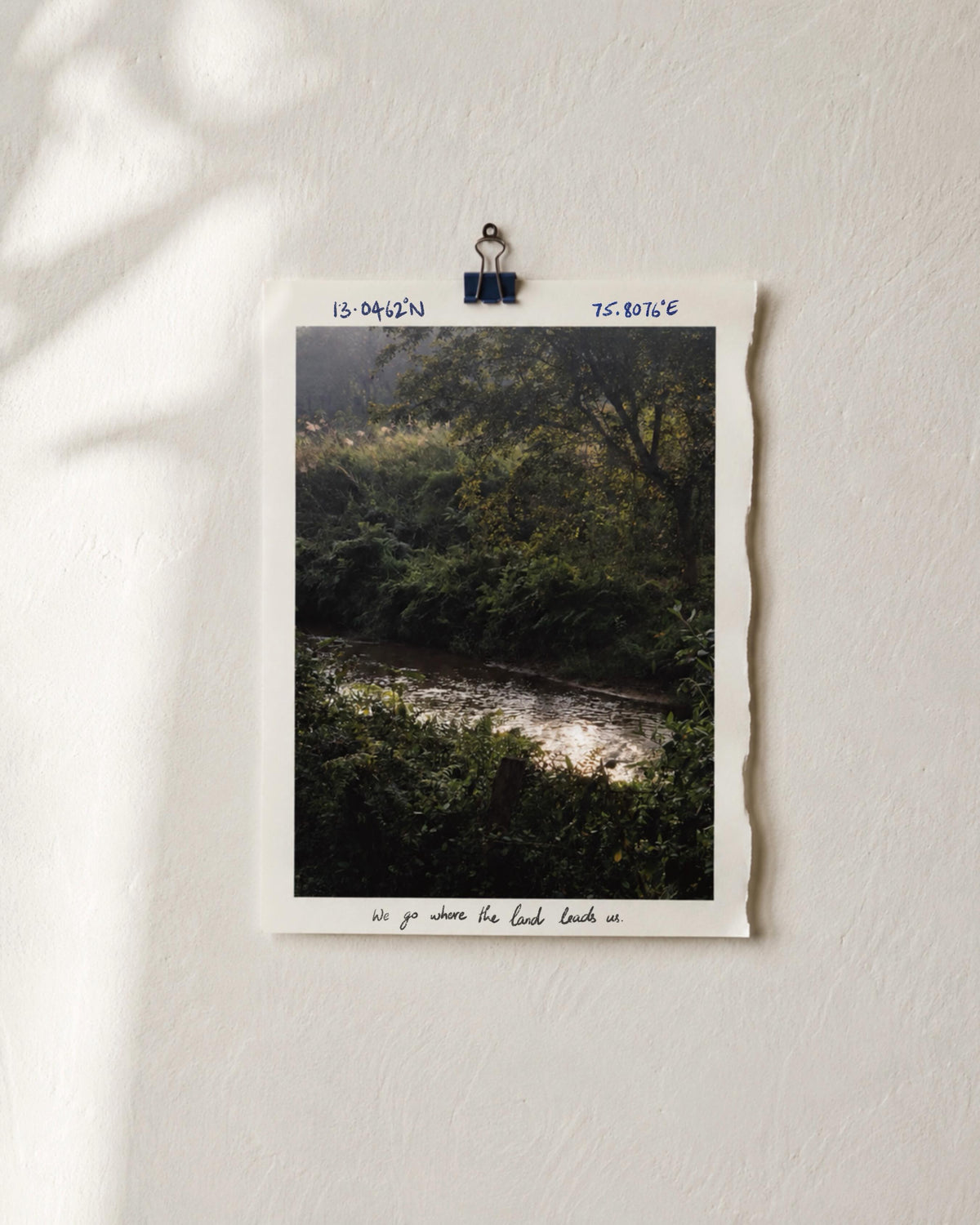
“Single origin” is printed on a lot of coffee bags now, ours included. It is worth being clear about what it means, because when it is true, it changes what is in your cup and who gets paid for it.
What it means
Single origin coffee comes from one place: one estate, one village, one small region. It is not blended from unnamed lots across regions or countries. The smaller the place, the more the words mean. “Single origin: India” tells you very little. “Single origin: the farms of Arehalli village, Karnataka, 1,055 metres” tells you nearly everything. That one is ours.
Why most coffee is blended
Most coffee on the shelf is a blend, and for the company selling it, that is useful. A blend smooths out the differences between seasons, tastes the same all year, and lets cheaper beans hide behind better ones. The cost is that a blend has no address. No one can visit it, ask about it, or find out what the farmer was paid.
Single origin is the other bargain. The coffee tastes of a place and a season, a little different each year, the way wine is. In return, everything can be traced. When a bag names its village, the claim can be checked, and that kind of accountability tends to find its way back to the growers as a better price.
How to read a single-origin label
Look for four things. The more of them a bag names, the more the label means.
- Place. Country, state, region, village or estate. A village says more than a region.
- Altitude. In metres.
- Process. Natural (sun-dried), washed, or something else.
- Who grew it. An estate, a co-operative or named farmers.
On an Āne bag that reads: Arehalli, Karnataka. About 1,055 metres. Sun-dried. Grown by a group of small farmers in Arehalli, including Geergal Estate.
What it means in the cup
With nothing blended away, you taste what the land gives. Our Arehalli Arabica is shade-grown on the hill and sun-dried whole in its fruit, then roasted medium-dark. It drinks smooth and balanced, with a gentle sweetness, soft acidity and a clean finish. Another hill or another year would taste a little different. That is not a flaw. It is the point.
What about your Signature Blend?
A fair question. Our Signature Blend is 80% coffee and 20% chicory. But the coffee in it is the same Arabica from the same village. What we add is roasted chicory root, the way South Indian filter coffee has always been made, not coffee from somewhere else. One origin, two ways to drink it.
Which one to choose
If you drink your coffee black, or with a little milk, and want to taste the place, start with the whole beans or the ground Arabica. If your coffee is strong and milky, or made in a steel filter, the Signature Blend was made for you. If you would like both, every month for six months, that is Friends of Āne. Either way, the bag tells you exactly where it began, and the Journal shows you the place itself.
Questions we are asked
Is single origin better than a blend?
It is different. A blend aims to taste the same all year. A single origin tastes of one place and one season, and you can trace where it came from.
Is single origin always 100% Arabica?
Not by definition. The term is about where the coffee comes from, not the species. Our Single Origin is 100% Arabica.
Is Indian coffee single origin?
Some of it is. “Indian” on its own is not. Look for a named state, region, village or estate.
Does single origin coffee taste the same every year?
No. It changes a little with each season, and that is expected.